Mark Josefsberg~
AmSAT, ACAT Certified Alexander Technique teacher.
Alexander Technique-Improve your posture, stop your lower back pain, upper back pain, neck pain, stress and tension. The Alexander Technique is simple, proven, practical and effective for back posture, neck posture, headaches, breathing problems and more. I’m a full-time Alexander Technique teacher offering Alexander Technique lessons and Alexander Technique classes in New York City, New York.
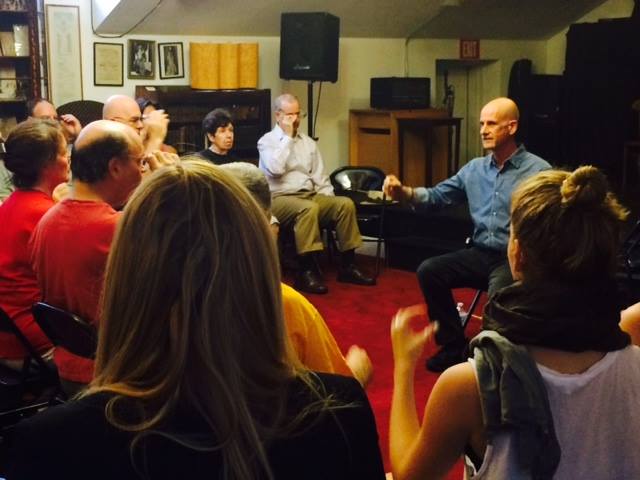
Alexander Technique Group Classes-
Saturdays 4:30-6:00PM
See GROUP CLASSES page for more info.
Next Alexander Technique private lesson: Anytime you want!
“With good humor, specificity, and charm, Mark makes a challenging technique accessible and fun!” Kyra Sedgwick, Emmy-winning actress. (”The Closer”)
“I really enjoyed our Alexander Technique lessons, learned a lot, felt lighter, more balanced and my neck pain is better. You have a true healing presence and great knowledge and skill.”
-Martin Ehrlich M.D., M.P.H. Medical Director, Beth Israel Continuum Center for Health and Healing.
Find more Alexander Technique NYC endorsements on my TESTIMONIALS page.
To schedule your Alexander Technique lesson, or to find out more about my Alexander teaching:
Call Mark: (917) 709-4648 or
(269) P-O-S-T-U-R-E
Email: Mark@MarkJosefsberg.com
Mark Josefsberg-Alexander Technique Teacher NYC
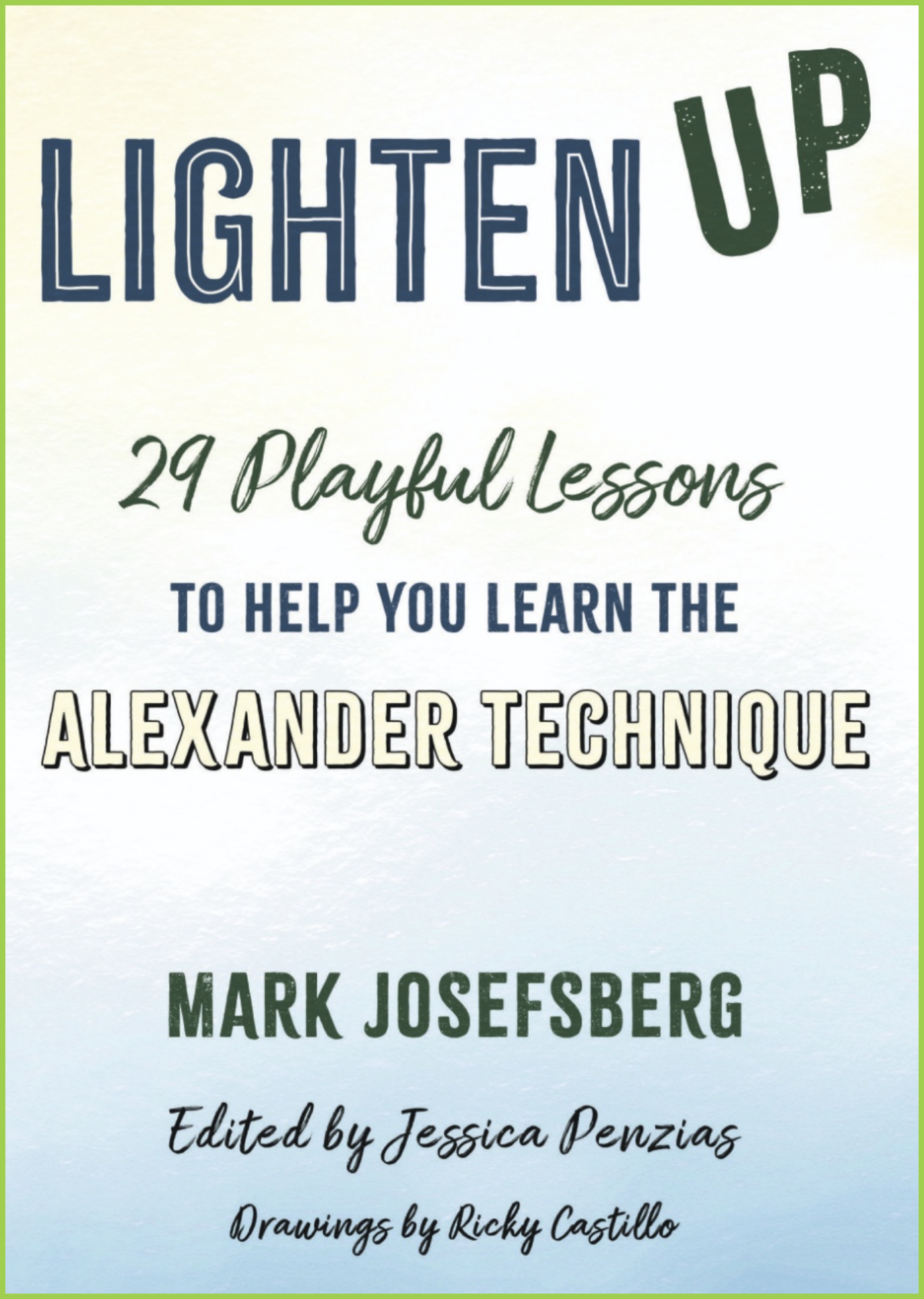
Join my free Newsletter (See NEWSLETTER page on top) to receive Alexander Technique tips, and announcements about Alexander Technique Group Classes.
…the Alexander Technique, however, works differently. Though with Alexander Technique lessons back pain is sometimes quickly and dramatically decreased, Alexander’s simple method gets more to the root of the problem. And the root of the problem, quite often, is us and how we misuse our body. Back pain (and neck pain) is exacerbated by compressing our spines all day and all night long. We slump at out computers (like now?)…
“How can I incorporate the Alexander Technique into my life?” I hear this question, and versions of it, frequently at Alexander Technique lessons. It’s really a great question and gets to the heart of the matter of the benefits of the Alexander Technique.
The Alexander Technique is done as you think about it. If you’re thinking about the principles of the Alexander Technique, you’re doing the technique, or you’re practicing the technique, or you’re performing the technique, or you’re applying the technique, or you’re incorporating the Alexander Technique into your life.
As an Alexander Technique teacher I emphasize awareness of initiating movement; how you start actions like moving your hands, initiating walking, so…
In teaching the Alexander Technique here in NYC, I often use the words ‘let’ and ‘allow’, as in ‘allow’ your neck to be free or ‘let’ your head lead your spine into length. During Alexander Technique lessons I might say ‘allow’ your entire ribcage to contract and expand as you breathe and ‘allow’ your sit bones to release down into the chair. ‘Let’ your torso gently spiral as you walk, ‘allow’ your jaw to release, and countless other examples of allowing… letting…
If we need to allow things to happen, it stands to reason that we unconsciously disallow them from happening…
Alexander Technique Directions
I wish to free my neck … so that
My head can move forward and up…so that
My torso can lengthen and widen and…
My legs can move away from my torso and…
My shoulders can release out the sides.
Alexander Technique directions act as verbal, or neuro-linguistc cues. They tell us where we want to go, which is often upward, outward, into expansion. Up, down, and out. Head up, feet or sit bones down, shoulders out, legs away…
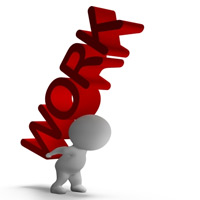
On my subway ride to teach some Alexander Technique lessons at the American Center for the Alexander Technique in Mahattan, I noticed a man who could not have been more stooped over. As an Alexander Technique teacher I was particularly aware of how he was seated, reading the paper, his head not very far from his knees. His face was quite tense, and had a scowl I suspected was habitual. He seemed to ‘have the weight of the world on his shoulders…
…the Alexander Technique ‘inhabits’ your body through the cultivation of awareness. We realize, through Alexander Technique lessons, that we have control over this tension. I didn’t know that I had control over my overly-tensed painful neck until I started working with an Alexander Technique teacher. I just thought: my neck is tense and it hurts. I didn’t know…
One of the problems of trying to achieve ‘good posture’, or ‘perfect posture’ is that these terms imply rigidity. Some Alexander Technique teachers attempt to avoid the word posture altogether, calling it the ‘P’ word.
One could learn to have ‘good posture’ in a few minutes, especially if you think of military posture. Military posture is standing up as straight as possible, with your stomach in, chest out, chin tucked in, shoulders back…
…The Alexander Technique is the good news. I teach, show, and coach almost everyone who comes to me how to use the computer without injury. If people are in pain already I teach them how to stop injuring themselves, and the steps to take to allow the body to heal. You could try it right now. See if you can notice any neck tension. It’s there, though you may not be able to sense it at this point. You can learn to let these muscles go. If you release your neck muscles, your head will rotate forward, and move up. You could think this way: I want my neck to be free so that my head will move forward and up. This ‘forward’ business doesn’t mean forward as in your face moving towards the screen…
The stresses and strains of modern living, combined with the ubiquity of the computer, cell phone, blackberry etc., seem to draw us in, collapsing us forward and down and giving us one version of bad posture . (Another version of bad posture would be sitting up rigidly straight. That doesn’t work because it won’t be maintained, and it’s not helpful to add extra tension. Sitting or standing up straight usually means military posture.)
So as not to smash our faces into the screen, desk, or floor…
What are you doing right now as you’re sitting and reading this? I’ll assume you’re sitting and reading right now.
If you are sitting, where is your face? I mean, is it poking towards the computer screen? A clearer way to think about this is that you’re poking your neck towards the screen; your face is going along for the ride. We tend to poke our necks forward and down; compressing. The muscles in our necks are working harder than necessary. It would be better…